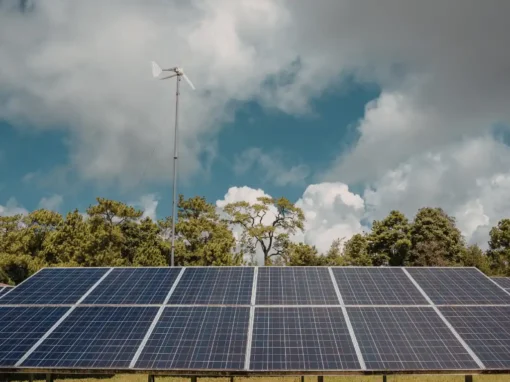
Solar panels can still generate energy on cloudy days because they capture both direct and diffuse sunlight. Although output may be lower compared to bright sunny days, solar systems continue producing electricity as long as daylight reaches the panels. With the right technology, such as MIMOS Microinverter for panel-level optimisation, Mi-Suria for solar performance monitoring, and BESS for energy storage and management, solar energy becomes more efficient, reliable, and practical for Malaysia’s changing weather conditions. This article explains how solar panels work during cloudy weather and why solar remains a smart long-term energy solution.
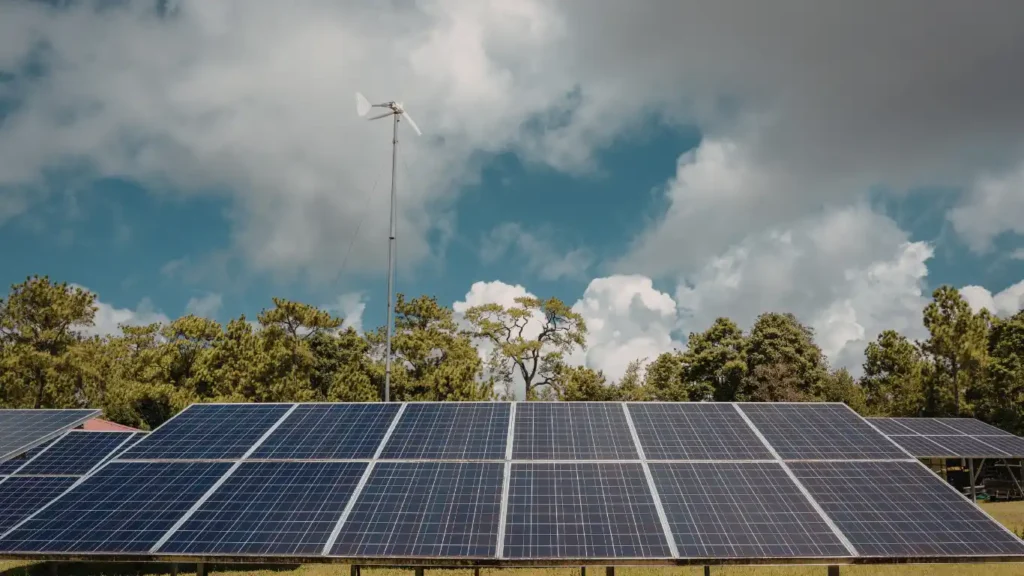
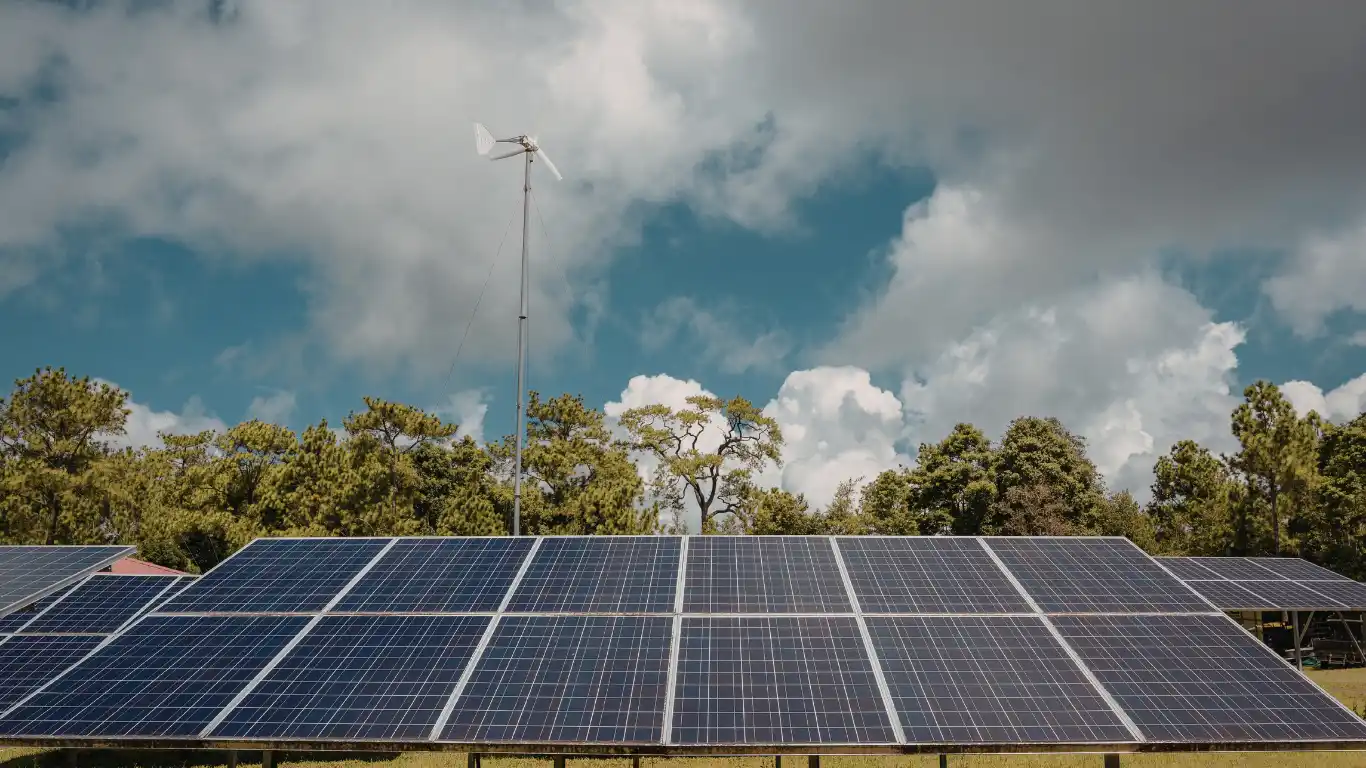
When people think about solar energy, they often imagine bright sunshine, clear skies, and solar panels absorbing strong sunlight throughout the day. Because of this, one common question is: Do solar panels still work when it is cloudy?
The answer is yes. Solar panels can still generate electricity on cloudy days. While their performance may be lower compared to sunny days, they do not completely stop working just because the sky is covered with clouds. This is because solar panels generate electricity from light, not heat.
How Solar Panels Convert Light into Electricity
Solar panels work through a process called the photovoltaic effect. Each solar panel is made up of photovoltaic cells that absorb sunlight and convert it into electrical energy.
When light hits the surface of a solar panel, the solar cells absorb energy from the light. This energy activates electrons inside the cells, creating an electric current. The current is then converted by an inverter into usable electricity for homes, buildings, or commercial facilities.
On a sunny day, solar panels receive strong direct sunlight, allowing them to generate more electricity. On a cloudy day, some sunlight is blocked or scattered by clouds. However, part of the sunlight still reaches the panels in the form of diffuse light.
What Is Diffuse Light?
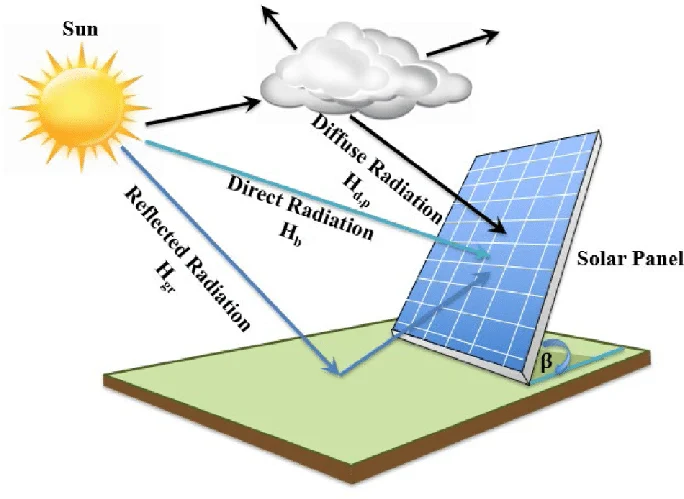
Diffuse light is sunlight that has been scattered by clouds, haze, dust, water vapour, and particles in the atmosphere. Instead of travelling directly from the sun to the solar panel, the light spreads out in different directions before reaching the earth’s surface.
This is why the environment is still bright during the day, even when the sun is hidden behind clouds. If there is daylight, there is still solar energy available for the panels to capture.
Solar panels are designed to respond to both direct and diffuse sunlight. That is the main reason why they can continue producing electricity during cloudy weather.
Why Solar Output Drops on Cloudy Days
Although solar panels still work on cloudy days, their output is usually lower. This happens because clouds reduce the amount of solar radiation that reaches the panel surface.
The actual output depends on several factors, including cloud thickness, time of day, panel angle, system design, shading, inverter efficiency, and overall installation quality.
Light cloud cover may only slightly reduce performance, while heavy storm clouds can significantly lower energy generation. However, as long as daylight is available, solar panels can still produce electricity.
The Role of MIMOS Microinverter in Solar Performance
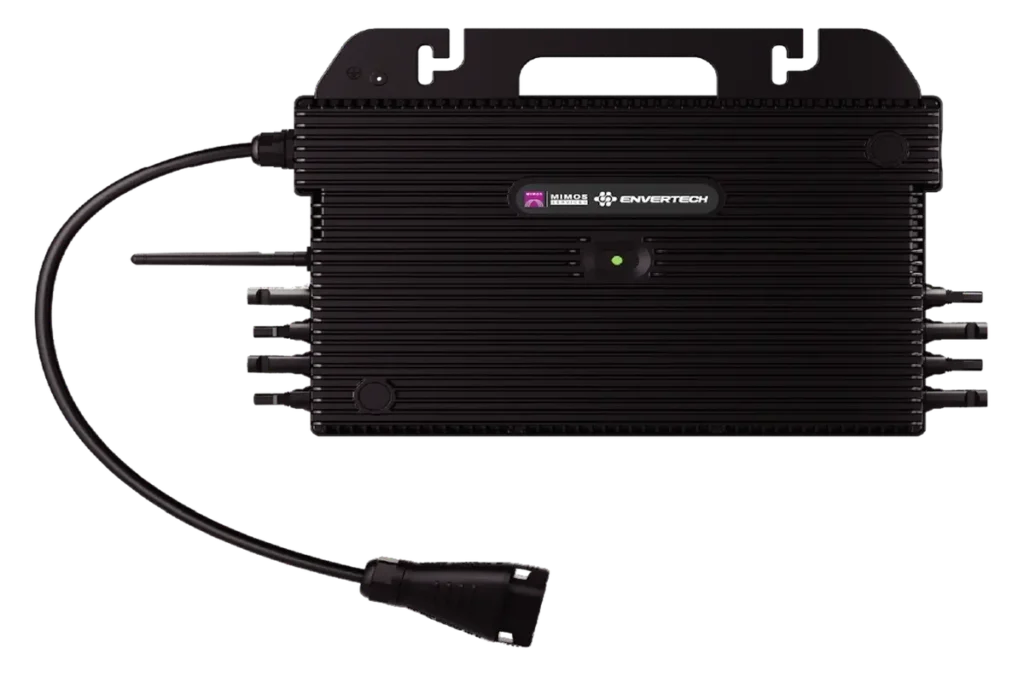
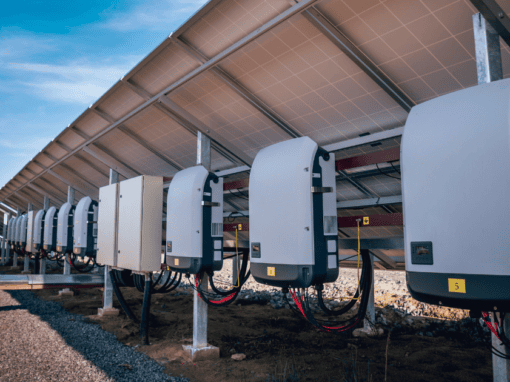
One important component in a solar system is the inverter. It converts the direct current generated by solar panels into alternating current that can be used by electrical appliances and building systems.
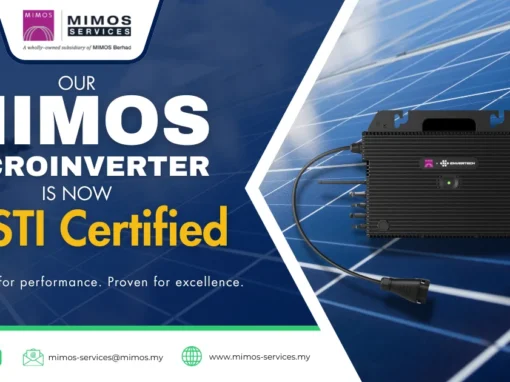
MIMOS Microinverter supports solar systems by allowing each solar panel to operate more independently. This is useful during cloudy weather or partial shading, where some panels may receive less light than others.
In conventional inverter systems, the performance of one shaded or underperforming panel can affect the overall string. With a microinverter approach, each panel can optimise its own output, helping the system perform more efficiently under changing sunlight conditions.
This makes MIMOS Microinverter suitable for residential, commercial, and industrial solar installations, especially in Malaysia’s tropical climate where cloudy and sunny conditions can change quickly throughout the day.
Monitoring Solar Performance with Mi-Suria
Cloudy days can cause solar generation to fluctuate, so monitoring is important. This is where Mi-Suria can support solar system owners.
Mi-Suria is a solar PV monitoring solution that helps users track solar energy performance more clearly. Through proper monitoring, users can understand how much energy their system is producing, identify unusual drops in performance, and manage their solar assets more effectively.
For building owners, facility managers, and businesses, this visibility is important. It allows them to see whether their solar system is performing as expected, even during changing weather conditions.
Instead of guessing whether cloudy weather is affecting the system, monitoring tools such as Mi-Suria provide useful data for better decision-making.
Supporting Energy Stability with BESS
Solar generation depends on sunlight, which naturally changes throughout the day. During cloudy periods, generation may drop. During sunny periods, generation increases. For some facilities, this variation can affect energy planning.
Battery Energy Storage System, or BESS, can help support better energy management by storing excess solar energy and using it when needed. For example, energy generated during brighter periods can be stored and used later during peak demand or lower generation periods.
For commercial and industrial users, BESS can also support peak shaving, demand management, and improved energy reliability. When combined with solar systems, BESS helps create a more flexible and resilient energy solution.
This makes solar not only a generation system, but part of a smarter energy ecosystem.
Rain Can Actually Help Solar Panels
Cloudy and rainy weather may reduce solar generation temporarily, but rain also has one useful benefit: it can help clean the panels.
Dust, leaves, bird droppings, and other dirt can block sunlight from reaching the solar cells. When rain washes away some of this dirt, the panels may perform better once the weather clears.
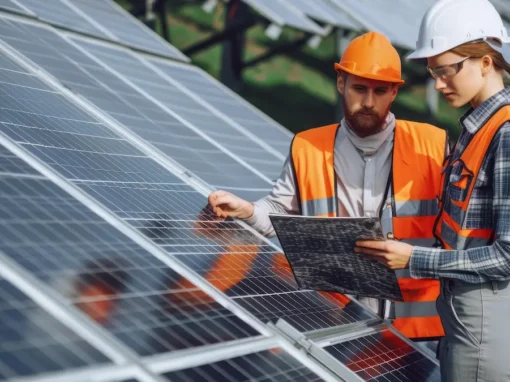
However, rain is not a complete replacement for proper maintenance. Solar panels should still be inspected and cleaned when necessary, especially in areas with heavy dust, pollution, or nearby trees.
Solar Energy Is About Long-Term Generation
One cloudy day does not determine the value of a solar system. Solar energy performance is usually measured over weeks, months, and years — not just hour by hour.
A well-designed solar system considers local weather patterns, roof condition, energy consumption, system sizing, inverter selection, and monitoring requirements. In countries like Malaysia, where sunny, cloudy, and rainy conditions can happen within the same day, proper system design is especially important.
Solutions such as MIMOS Microinverter, Mi-Suria, and BESS can support better solar performance, monitoring, and energy management. Together, these technologies help users get more value from their solar investment.
Solar Panels Still Make Sense in Cloudy Weather
The idea that solar panels only work under hot, sunny weather is a common misconception. In reality, solar panels generate electricity from light, not heat. As long as daylight reaches the panels, they can continue producing energy.
Cloudy days may reduce output, but they do not make solar panels useless. A good solar system should be designed to perform under real-world conditions, not only during perfect weather.
For homes, businesses, government facilities, and industrial sites, solar energy remains a practical long-term solution to reduce electricity costs, support sustainability goals, and improve energy efficiency.
Conclusion
Solar panels can generate energy on cloudy days because they capture both direct and diffuse sunlight. While output is lower compared to clear sunny days, the system continues working as long as there is daylight.
By using the right technologies, solar systems can become more efficient, visible, and reliable. MIMOS Microinverter helps optimise panel-level performance, Mi-Suria supports solar monitoring, and BESS strengthens energy storage and management.
In the end, solar energy is not about perfect sunshine every day. It is about consistent, long-term energy generation — helping homes, businesses, and organisations move towards cleaner, smarter, and more sustainable energy use.
Interested in exploring solar solutions for your home, building, or organisation? Contact MIMOS Services to learn more about smart and sustainable energy systems.
🌐 Website: MIMOS Services
📧 Email: info@mimos-services.my