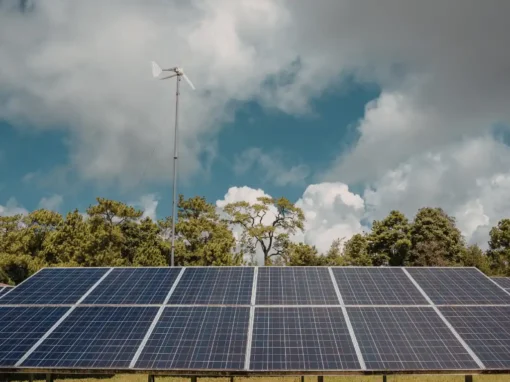
Solar panels are becoming a popular choice for homes, businesses, and industrial buildings that want to reduce electricity costs and use cleaner energy. But getting the best result from a solar system is not only about choosing good solar panels. The inverter technology used in the system also plays a very important role.
This is where microinverters can make a big difference.
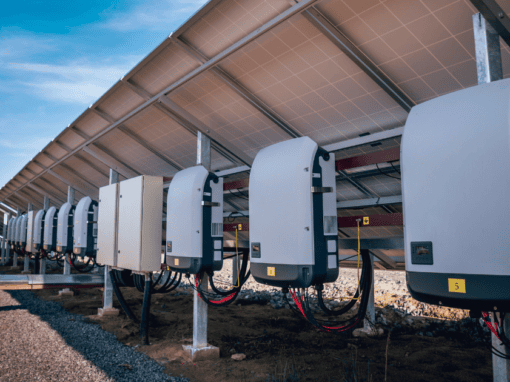
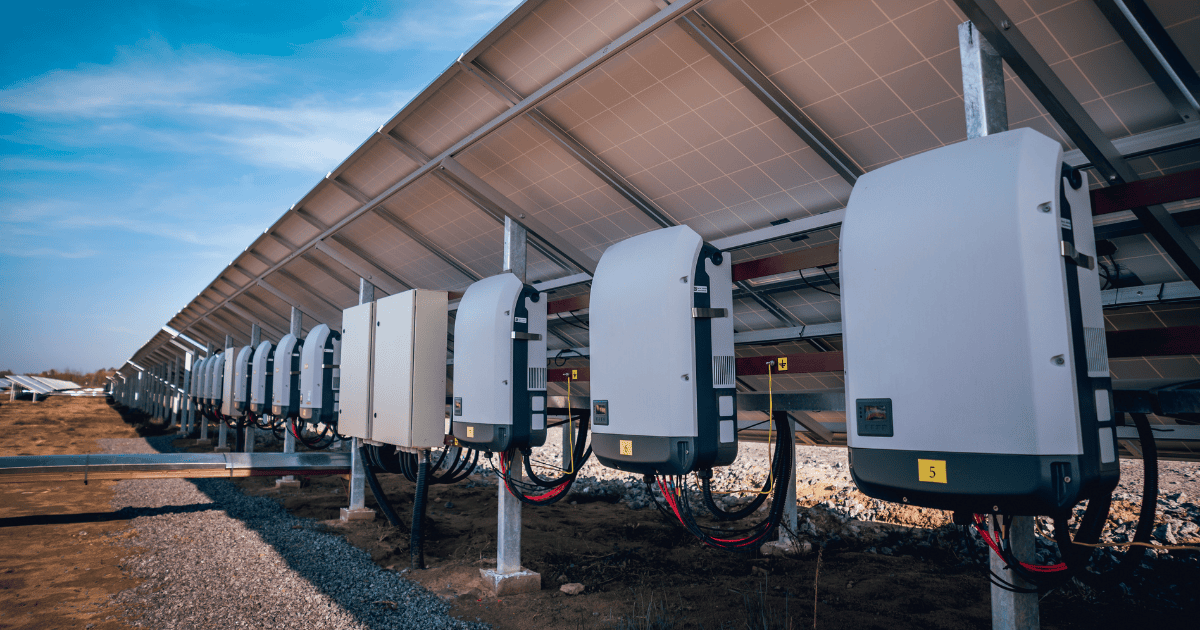
In a typical solar photovoltaic (PV) system, solar panels generate direct current (DC) electricity from sunlight. This DC electricity must be converted into alternating current (AC) electricity before it can be used by buildings or connected to the grid. Traditionally, many solar systems use a string inverter, where several panels are connected together in one series and linked to a single inverter.
While string inverters are commonly used, they have one key limitation. If one panel in the string performs poorly, the performance of the other panels can also be affected. This can happen due to shading, dirt, different roof angles, or panel mismatch.
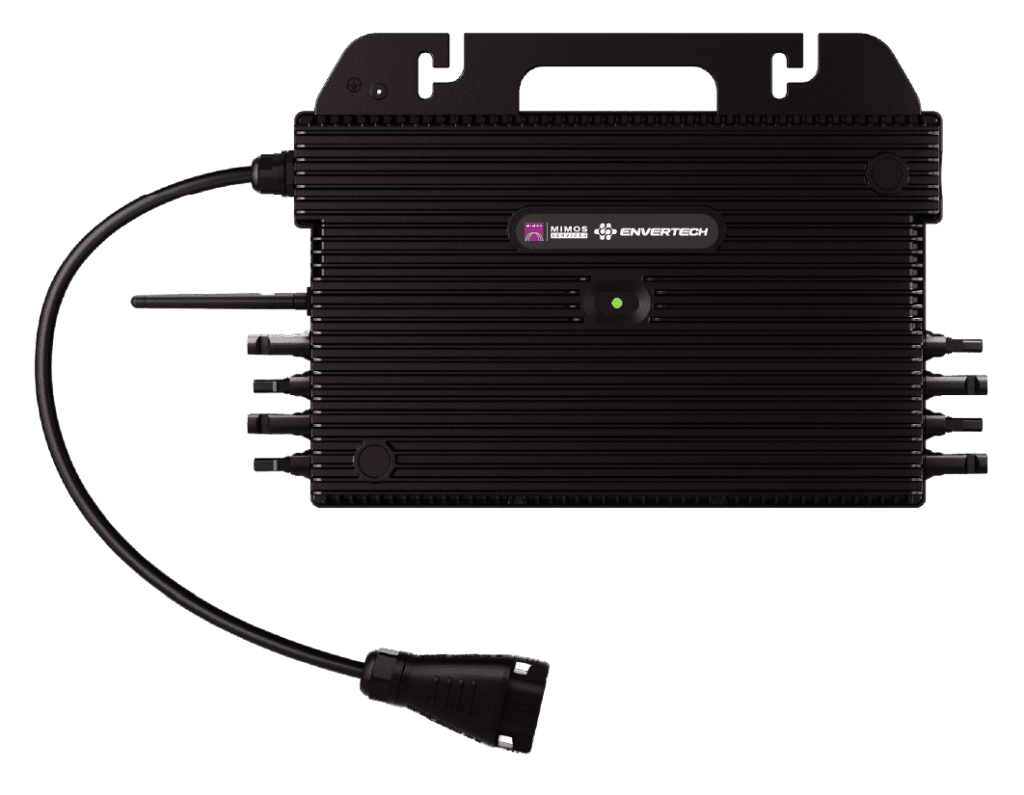
Microinverters offer a smarter way to manage this issue. Instead of using one inverter for many panels, a microinverter is installed at each individual solar panel. This allows every panel to work independently and produce energy based on its own condition.
1. Each Solar Panel Works Independently
One of the biggest benefits of microinverters is panel-level optimisation. In a string inverter system, the panels are connected like a chain. If one part of the chain is weaker, the whole chain may be affected.
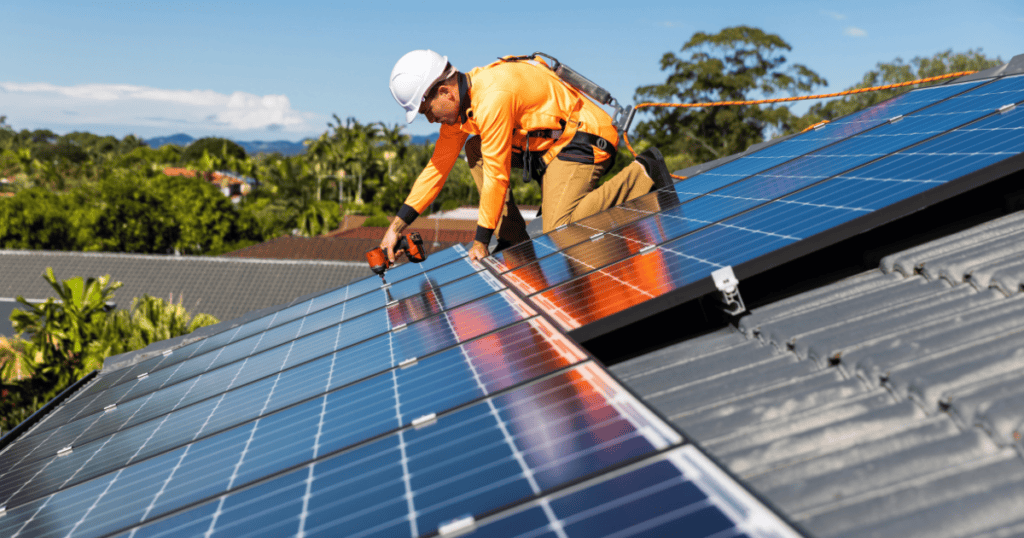
For example, one solar panel may be shaded by a tree, nearby building, water tank, or rooftop structure. Another panel may collect more dust or receive less sunlight during certain hours of the day. In a normal string system, this lower-performing panel can reduce the output of the entire group.
With microinverters, this problem is reduced because each panel has its own inverter. If one panel is shaded or producing less power, the other panels can continue operating at their best. This helps the overall solar system generate more usable electricity throughout the day.
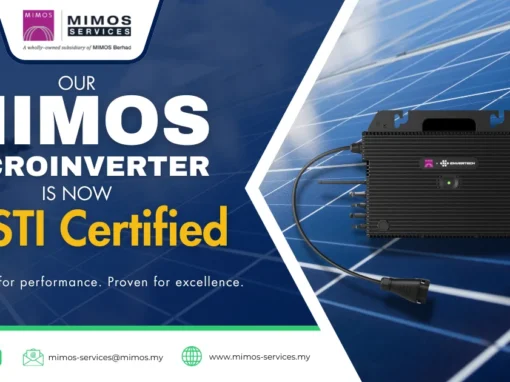
This is one of the key strengths of the MIMOS Services Microinverter, which is designed to support panel-level energy conversion and improve solar PV performance, especially for rooftops that experience partial shading or uneven sunlight conditions.
2. Better Performance on Real Rooftops
In real life, not every rooftop is perfect for solar installation. Some roofs face different directions. Some have limited space. Some are affected by shadows from trees, walls, antennas, water tanks, or nearby buildings. Weather conditions can also change quickly, especially in Malaysia where cloudy skies and sudden rain are common.
Microinverters are useful in these situations because they allow each panel to adjust according to the sunlight it receives. This means the system does not depend too much on one single string performance.
For homes, commercial buildings, and factories, this flexibility is valuable. Engineers can design a solar layout that makes better use of available roof space. Even if the panels are installed at different angles or orientations, microinverters can help each panel contribute as much energy as possible.
This makes microinverters a practical choice for buildings where roof conditions are not fully ideal but solar energy generation is still possible.
3. More Accurate Power Tracking
Solar panels do not produce the same amount of energy all the time. Their output changes depending on sunlight, temperature, shading, dust, and panel condition. To get the best performance, the system must constantly find the best operating point for each panel.
This process is known as Maximum Power Point Tracking, or MPPT.
In many traditional systems, MPPT is managed at the string level. This means a group of panels is controlled together. However, each panel may actually be facing different conditions. One panel may receive strong sunlight, while another may be partly shaded.
With microinverters, MPPT is done at the individual panel level. Each panel can find its own best operating point. This helps the system capture more energy, especially when the panels are not performing equally.
Over time, this can make a meaningful difference. Even small performance improvements each day can add up to higher energy production across months and years.
4. Easier Monitoring and Maintenance
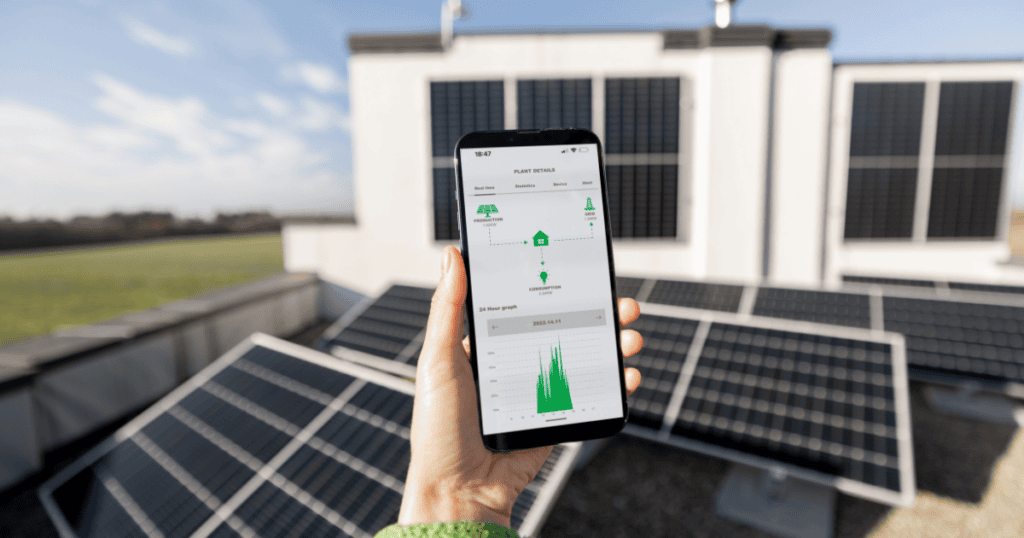
Another advantage of microinverters is better visibility. Since each panel operates independently, users and maintenance teams can monitor the performance of every panel separately.
This makes troubleshooting much easier. If one panel is underperforming, the system can help identify which panel has the issue. It may be caused by shading, dirt, a wiring problem, or equipment failure.
Without panel-level monitoring, technicians may need more time to inspect the system manually. With microinverters, the issue can be detected faster, helping reduce maintenance time and improve system reliability.
For building owners, facility managers, and solar asset owners, this is very useful. It gives better confidence that the solar system is working properly and producing energy as expected.
5. Improved System Reliability
In a traditional string inverter system, the inverter can become a single point of failure. If the main inverter stops working, the whole solar system may stop producing electricity until the issue is repaired.
Microinverters reduce this risk. If one microinverter has a problem, usually only the panel connected to it is affected. The rest of the system can continue generating electricity.
This distributed design improves system availability. It is especially useful for commercial buildings, public facilities, and industrial rooftops where consistent energy generation is important.
Solutions such as the MIMOS Services Microinverter can support a more resilient solar PV setup by allowing individual panel operation, easier fault detection, and better continuity of energy generation.
6. Safer Solar System Design
Safety is an important part of any solar PV installation. In conventional string inverter systems, high-voltage DC wiring may run across the rooftop. This requires careful installation, proper protection, and good maintenance practices.
Microinverters convert DC electricity to AC electricity closer to the solar panel. This can help reduce long runs of high-voltage DC wiring. From a safety perspective, this is an added advantage, especially for rooftops, commercial premises, and public buildings.
For owners and installers, a safer system design provides extra peace of mind.
7. Easier to Expand in the Future
Another practical benefit of microinverters is flexibility. Solar energy needs may grow over time. A business may expand its operations. A homeowner may want to add more panels later. A building owner may want to increase solar capacity after seeing the savings from the first installation.
With microinverters, expansion can be easier because additional panels can be added more independently. The system is more modular compared to some traditional inverter setups.
This makes microinverters a future-ready choice for users who want to start with one system size and expand later based on budget, energy usage, or available roof space.
Conclusion
Microinverters help solar panels produce more energy by allowing each panel to work independently. They improve performance in shaded areas, support better power tracking, make maintenance easier, and reduce the risk of full system shutdown.
For real rooftops with different angles, partial shading, changing weather, or limited space, microinverters can help unlock more value from every solar panel. Instead of treating all panels as one group, they allow each panel to contribute according to its own condition.
As solar adoption continues to grow, microinverters are becoming an important technology for improving energy output, reliability, and long-term system value. For homeowners, businesses, and industries planning to invest in solar, choosing the right inverter technology is just as important as choosing the solar panels themselves.
In the long run, a well-designed solar PV system with microinverter technology can help users generate cleaner energy, reduce electricity costs, and get better returns from their solar investment.inverter technology is one of the most important decisions to ensure maximum energy output, better reliability, and long-term savings.