Installing a solar system is a long-term investment that requires proper planning. The five key things to check before installation: roof condition, electricity usage, inverter technology, smart monitoring, and installer credibility. It also explains how solutions such as MIMOS Services Microinverters, BESS, and Mi-Suria can help improve solar performance, energy efficiency, reliability, and long-term savings for homes, businesses, and industrial facilities.
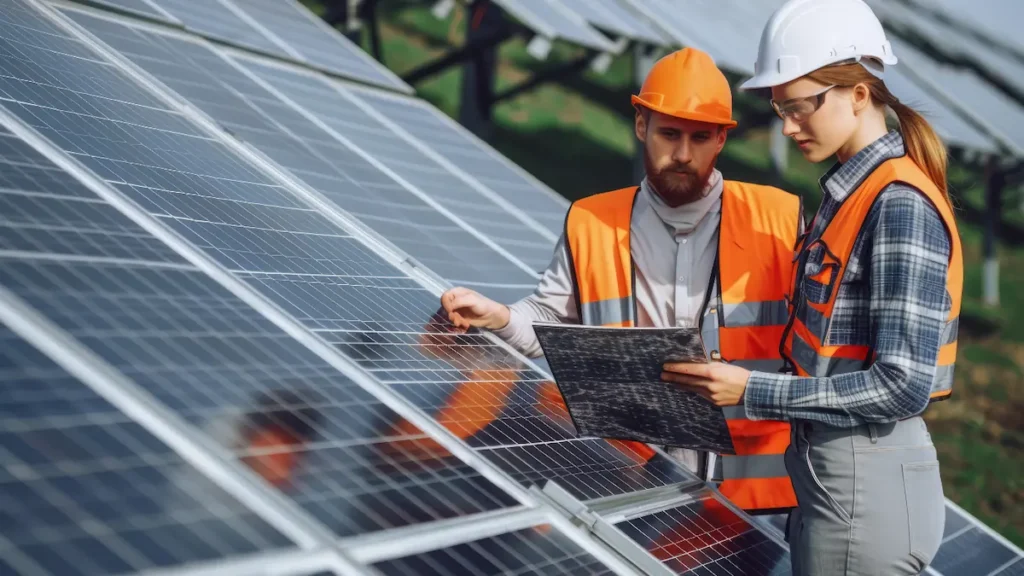
As electricity costs continue to rise and sustainability becomes a growing priority, more homeowners and businesses in Malaysia are turning to solar energy as a long-term solution. However, installing a solar system is not simply about placing panels on a roof. A well-planned solar installation requires proper assessment, reliable equipment, and smart energy management to ensure maximum return on investment (ROI).
Before you invest in solar, here are 5 important things you should check to ensure your system performs efficiently, safely, and reliably for years to come.
1. Roof Condition & Available Space
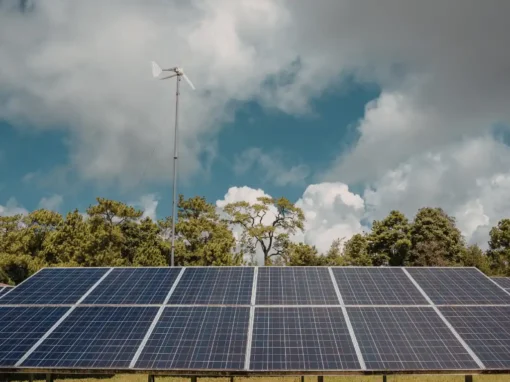
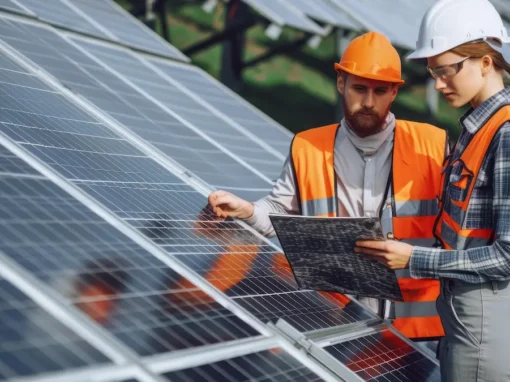
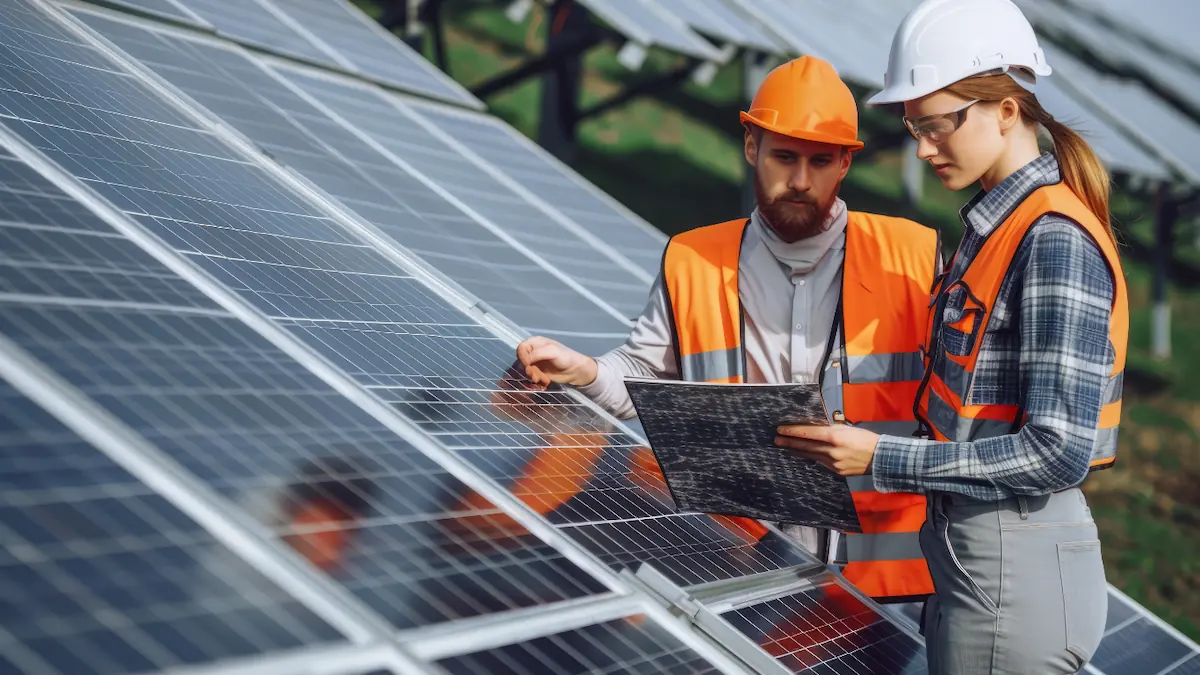
Your roof plays a critical role in determining the efficiency and lifespan of your solar system. Before installation, inspect the condition of your roof structure to ensure it is strong enough to support solar panels for the next 20–25 years.
Things to evaluate include:
- Roof age and structural strength
- Shading from nearby buildings or trees
- Roof orientation and tilt angle
- Available installation area
- Water leakage or damaged roofing materials
In Malaysia, rooftops facing south with minimal shading generally provide the best solar performance. Even partial shading can significantly reduce energy generation if not managed properly.
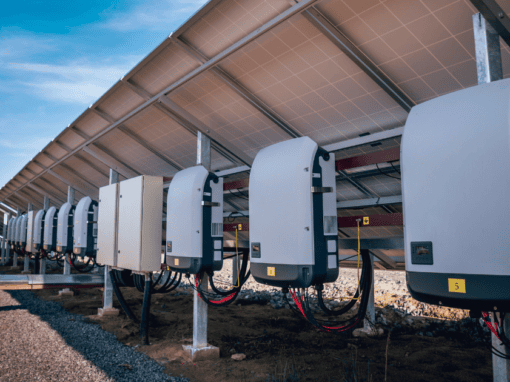
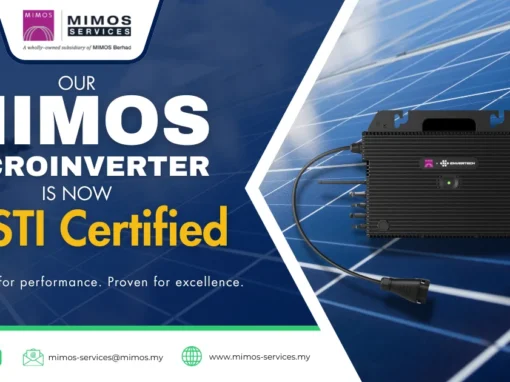
This is where advanced technologies like MIMOS Services Microinverters become valuable. Unlike conventional string inverters, microinverters operate at panel level, meaning shading or underperformance on one panel will not heavily affect the others.
Example:
MIMOS Services Microinverter features:
- Panel-level monitoring
- Better performance under shading conditions
- Improved safety and reliability
- MySTI Certified
- MyHIJAU Certified
- Up to 15 years warranty
2. Your Current Electricity Usage
Before installing solar, it is important to understand your energy consumption pattern. Many users make the mistake of installing systems that are either too small or too large for their actual needs.
Check:
- Monthly electricity bills
- Peak usage hours
- Maximum Demand (MD) charges for commercial buildings
- Future expansion plans
- Air-conditioning or EV charging usage
A professional energy assessment helps determine the ideal system size for your building.
For commercial and industrial users, combining solar with smart energy technologies can significantly improve energy savings. Solutions such as the MIMOS Services BESS (Battery Energy Storage System) can store excess solar energy during the day and release it during peak demand periods or power interruptions.
Benefits of BESS:
- Peak shaving
- Lower electricity costs
- Backup power capability
- Improved energy stability
- Better solar energy utilization
3. Type of Inverter Technology
The inverter is considered the “brain” of a solar system because it converts solar energy into usable electricity. Choosing the right inverter technology directly affects efficiency, monitoring capability, and long-term maintenance.
There are generally two main options:
- Conventional String Inverter
- Microinverter
While string inverters are common, microinverters provide several advantages especially in Malaysia’s tropical weather conditions.
Why Microinverters Are Gaining Popularity
- Each panel works independently
- Better energy harvest
- Easier troubleshooting
- Improved system safety
- Scalable for future expansion
For example, MIMOS Services Microinverters are designed to withstand Malaysia’s hot and humid climate while maintaining high efficiency and stable performance.
This makes them suitable for:
- Residential homes
- Commercial buildings
- Industrial rooftops
- Educational institutions
- Government facilities
4. Monitoring & Smart Energy Management
Installing solar panels alone is no longer enough. Modern solar systems should include intelligent monitoring and energy management capabilities.
A smart monitoring system allows users to:
- Track energy generation in real time
- Detect faults or performance drops early
- Monitor savings and carbon reduction
- Optimize energy usage
- Improve operational efficiency
Without proper monitoring, small issues such as dirty panels, inverter faults, or abnormal energy losses may go unnoticed for months.
An example is the MIMOS Services Mi-Suria Monitoring Platform, which enables users to monitor solar system performance remotely through a centralized dashboard.
Features of Smart Monitoring:
- Real-time performance analytics
- Mobile and web access
- Fault alerts and notifications
- Historical performance reports
- Energy consumption tracking
Smart monitoring helps ensure your solar investment continuously operates at optimal performance.
5. Installer Experience & Certifications
Lastly, always evaluate the experience and credibility of the solar provider. A low-cost installation may lead to future problems such as poor workmanship, system downtime, or safety risks.
Before choosing a solar provider, check:
- Company experience and project portfolio
- Product certifications
- Warranty coverage
- After-sales support
- Compliance with local safety standards
Reliable providers will also conduct proper site assessments, electrical evaluations, and system simulations before installation.
At MIMOS Services, solar solutions are supported by local R&D expertise, certified technologies, and integrated smart energy solutions designed specifically for Malaysia’s energy ecosystem.
Conclusion
Installing a solar system is a long-term investment that requires proper planning and the right technology choices. By checking your roof condition, understanding your electricity usage, selecting suitable inverter technology, implementing smart monitoring, and working with experienced providers, you can maximize your energy savings and system reliability.
As Malaysia continues moving toward renewable energy adoption, integrating smart technologies such as microinverters, battery storage, and intelligent monitoring systems will become increasingly important.
Whether for residential, commercial, or industrial applications, investing in the right solar ecosystem today can help reduce operating costs, improve sustainability, and create a smarter energy future.
References & Further Reading
Readers who wish to learn more about solar installation requirements, net energy policies, and solar technologies may refer to the following resources:
Malaysian Solar & Regulatory References
- Sustainable Energy Development Authority (SEDA Malaysia) – Solar PV & NEM Guidelines
- TNB Net Energy Metering (NEM) Information
- Energy Commission (Suruhanjaya Tenaga) – Solar ATAP Guidelines
Microinverter Technology References
- Microinverters provide panel-level monitoring, allowing users to identify performance issues on individual solar panels.
- Microinverters can improve performance in installations affected by shading because each panel operates independently.
- Panel-level monitoring also improves maintenance and fault detection capabilities.
Looking to install a solar system for your home, commercial building, or industrial facility? MIMOS Services offers integrated renewable energy solutions including Solar PV, Microinverters, Battery Energy Storage Systems (BESS), and intelligent energy monitoring platforms to help maximize energy savings and sustainability.
🌐 Website: MIMOS Services
📧 Email: info@mimos-services.my